
"Ethiopian natural"
3000 article(s) found

Why Ethiopian coffee is so popular the history of Ethiopian coffee tells you
Professional Coffee knowledge Exchange more information about coffee beans Please follow the coffee workshop (official Wechat account cafe_style) there are many reasons why coffee in Africa, especially Ethiopian coffee. Ethiopia's coffee industry is steeped in a rich blend of history, tradition and facts with historical fiction. From the story of Caldy and his ant goat to what coffee lovers call Yir

Ethiopian coffee origin Ethiopian coffee processing methods Processing methods
The bulk of coffee production (95%) is done by small shareholders, with an average yield of 561 kg/ha. For centuries, small shareholders of Ethiopian coffee farms have been producing a variety of high-quality coffee types. The secret to producing good coffee is that coffee farmers have developed environmental conditions through generations of repeated learning of the coffee growing process.

Ethiopian Coffee processing in Ethiopian Coffee producing areas
A large amount of coffee production (95%) is done by small shareholders, with an average yield of 561 kg per hectare. For centuries, minority holders of Ethiopian coffee farms have been producing a variety of high-quality types of coffee. The secret of producing high-quality coffee is that coffee growers have developed environmental conditions through generations of repeated learning about the coffee planting process.

Ethiopian coffee flavor Ethiopian coffee characteristics Ethiopian coffee taste
Ethiopia has unique natural conditions suitable for growing all imaginable varieties of coffee. As a upland crop, Ethiopian coffee beans are mainly grown in areas between 1100 and 2300 meters above sea level, roughly distributed in southern Ethiopia. Deep soil, well drained soil, weakly acidic soil, laterite and soil are soft and contain

Good average quality; aromatic and full-bodied Ethiopian coffee plantation taste characteristics
Ethiopian coffee beans grow in a near-natural environment. After years of cultivation under the same growing conditions, Ethiopian coffee beans have gradually adapted to the environment here. More than 60% of coffee beans are forest or semi-forest grown coffee. Coffee farming villages produce about 35 percent of the country's coffee.

Ethiopian coffee, culture, development
Ethiopian coffee Ethiopia has unique natural conditions and is suitable for growing all imaginable varieties of coffee. As a highland crop, Ethiopian coffee beans are mainly grown in areas between 1, 100 and 2300 meters above sea level, roughly distributed in southern Ethiopia. Deep soil, well drained soil, weakly acidic soil, laterite

Ethiopian Coffee Bean Story Ethiopian Coffee introduction to Ethiopia Yega Xuefei
Professional coffee knowledge exchange more coffee bean information please follow the coffee workshop (Wechat official account cafe_style) Ethiopian coffee beans Ethiopia has always been regarded as the birthplace of coffee. When you understand the local way of handling coffee, you can probably understand that this imperial status is well-deserved. Even under the worst production conditions, coffee trees are replaced by others.

Ethiopian Kafa Forest introduces Ethiopian coffee flavor Ethiopian coffee
Professional coffee knowledge exchange more coffee bean information Please follow Coffee Workshop (Wechat official account cafe_style) from the most primitive wild jungle in Ethiopia, where coffee trees grow naturally under the protection of rainforest trees, and litter is the best natural organic fertilizer. Many

Introduction to the flavor and taste of Ethiopian coffee beans grade classification of Ethiopian Sidamo coffee beans
Ethiopia has unique natural conditions suitable for growing all imaginable varieties of coffee. As a upland crop, Ethiopian coffee beans are mainly grown in areas between 1100 and 2300 meters above sea level, roughly distributed in southern Ethiopia. Deep soil, row

Ethiopian Coffee Flavor description Variety characteristics of High-quality Coffee beans
Yega Xuefei is a small town, 700-2100 meters above sea level, synonymous with Ethiopian boutique coffee. It has been a wetland since ancient times. The ancient saying "Yirga" means to settle down and "Cheffe" means a wetland. The mode of production and flavor of coffee here are so outstanding that Ethiopian coffee farmers compete to be proud of the flavor of their coffee, making it the best in Africa.

Exquisite Ethiopian coffee beans Starbucks Ethiopian coffee
Ethiopia has unique natural conditions suitable for growing all imaginable varieties of coffee. As a upland crop, Ethiopian coffee beans are mainly grown in areas between 1100 and 2300 meters above sea level, roughly distributed in southern Ethiopia. Deep soil, well drained soil, weakly acidic soil, laterite and soil are soft and contain

Differences in Ethiopian coffee
A large amount of coffee production (95%) is done by small shareholders, with an average yield of 561 kg per hectare. For centuries, minority holders of Ethiopian coffee farms have been producing a variety of high-quality types of coffee. The secret of producing high-quality coffee is that coffee growers have developed environmental conditions through generations of repeated learning about the coffee planting process.

Overview of Ethiopian Coffee
The full name of the Federal Democratic Republic of Ethiopia (formerly known as Abyssinia) is a country located in northeast Africa. English name: The Federal Democratic Republic of Ethiopia, Ethiopia is the country of origin and hometown of coffee. Ethiopia has unique natural conditions suitable for growing all imaginable coffee.

Overview of Ethiopian Coffee
The full name of the Federal Democratic Republic of Ethiopia (formerly known as Abyssinia) is a country located in northeast Africa. English name: The Federal Democratic Republic of Ethiopia, Ethiopia is the country of origin and hometown of coffee. Ethiopia has unique natural conditions suitable for growing all imaginable coffee.

Introduction of Ethiopian Coffee producing areas with unique Natural conditions
Ethiopian coffee beans grow in close to the natural environment, after years of planting under the same growth conditions, Ethiopian coffee beans have gradually adapted to the environment here. More than 60% of coffee beans are grown in forests or semi-forests. Large-scale coffee-growing villages account for about 35% of the country's total coffee production. Many of these are used.

Introduction to the smooth and smooth Ethiopian Sidamo Chiso Coffee Flavor Manor
In February 1977, Lieutenant Colonel Mengistu Haier Maryam (MENGISTU HAILE MARIAM) launched a military coup and served as Chairman of the interim military Administrative Council and head of State. In 1979, the Ethiopian Labor people's Party Organization Committee, dominated by soldiers, was established to implement an one-party system. In 1984, the Ethiopian Workers' Party was formed according to the Soviet Communist Party model. Mengistu, September 1987
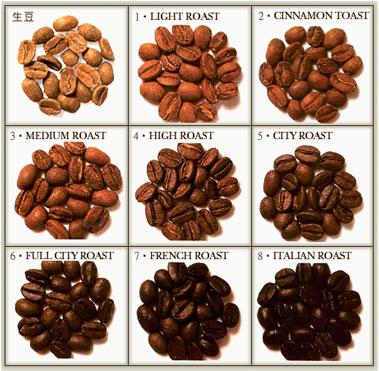
Natural fermented Ethiopian coffee flavor, characteristics, taste and estate
Ethiopia is blessed with natural conditions for growing all conceivable varieties of coffee. Ethiopia's coffee beans are mainly grown as highland crops in areas with altitudes of 1100-2300 meters above sea level, roughly distributed in southern Ethiopia. Deep soil, well-drained soil, weakly acidic soil, laterite and soft soil containing
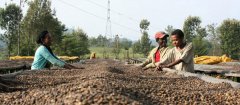
Flavor, characteristics, taste and manor introduction of naturally fermented Ethiopian coffee
Ethiopia has unique natural conditions suitable for growing all imaginable varieties of coffee. As a upland crop, Ethiopian coffee beans are mainly grown in areas between 1100 and 2300 meters above sea level, roughly distributed in southern Ethiopia. Deep soil, well drained soil, weakly acidic soil, laterite and soil are soft and contain
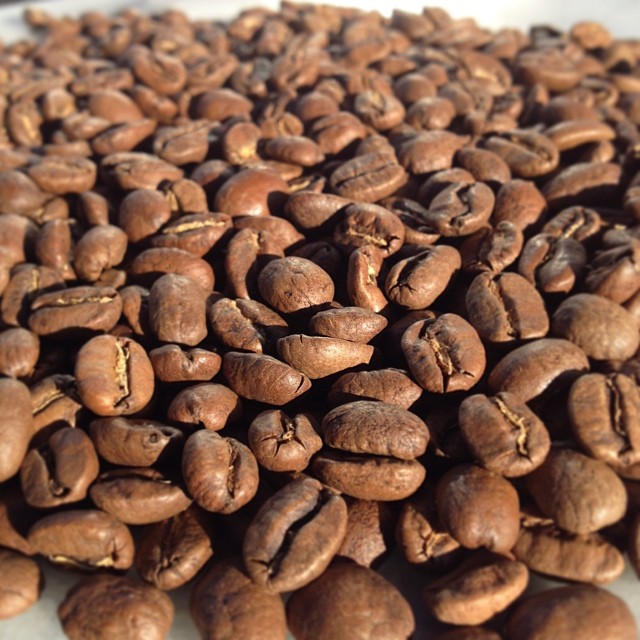
Natural fermentation and Solar Ethiopian Coffee Flavor, characteristics, texture and Manor introduction
Ethiopia has unique natural conditions suitable for growing all imaginable varieties of coffee. As a upland crop, Ethiopian coffee beans are mainly grown in areas between 1100 and 2300 meters above sea level, roughly distributed in southern Ethiopia. Deep soil, well drained soil, weakly acidic soil, laterite and soil are soft and contain

Natural fermented and mellow Ethiopian coffee flavor, characteristics, taste and manor introduction
Ethiopia has unique natural conditions suitable for growing all imaginable varieties of coffee. As a upland crop, Ethiopian coffee beans are mainly grown in areas between 1100 and 2300 meters above sea level, roughly distributed in southern Ethiopia. Deep soil, well drained soil, weakly acidic soil, laterite and soil are soft and contain